How to Use a Detroit Beat in 2026 for Freestyle Tracks and Trap Instrumentals
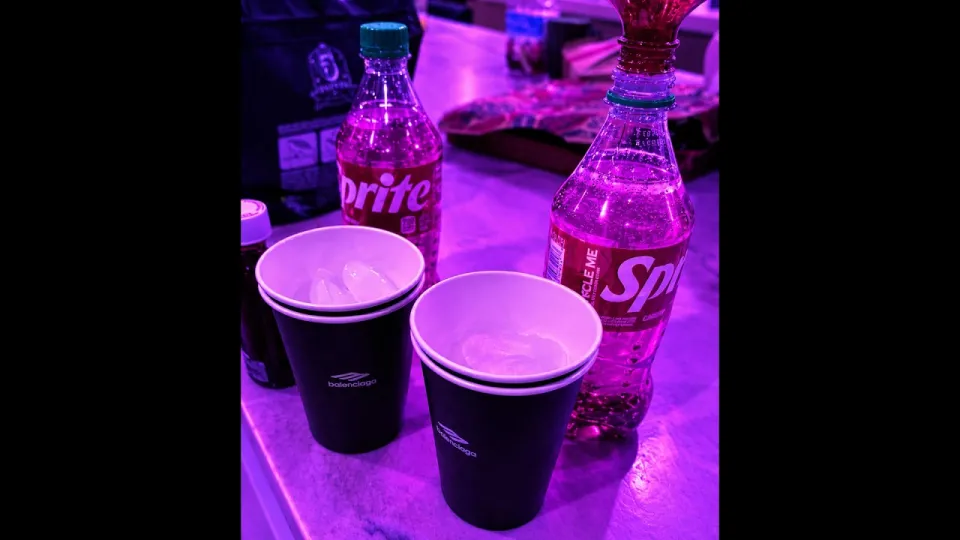
Video: [FREE] Freestyle Detroit Sample Type Beat - "BLACK CUP" | Trap Instrumental 2026
Need articles like this for your video? They help promote it on YouTube and Google — order them in the Telegram bot @sat_sit_bot. It writes articles around your video, embeds the video and publishes them on popular niche websites (no ads). Try it free: 50 articles on us.
· based on the channel Drezly
Key takeaways
- Detroit beat is a trap subgenre built on chopped soul and funk samples, 130–150 BPM half-time feel, and heavy 808 bass.
- Drezly's "BLACK CUP" is a free-for-non-profit Detroit sample type beat; monetized releases need a paid license.
- The untagged version is sold at https://bsta.rs/cgTWPW with a buy-2-get-1-free offer.
- Free use requires credit in the title as (Prod. Drezly); streaming platforms require a license.
- A recurring bassline across beats is the most common listener critique — variation is the fix.
A Detroit beat is a trap instrumental that chops soul, funk, or Motown-era samples over a half-time drum pattern and a deep 808 line, usually between 130 and 150 BPM, and it is the sound Drezly builds in the free type beat "BLACK CUP." You can download it free for non-monetized use and grab the untagged high-quality version through the purchase link for the untagged beat, which also carries a buy-2-get-1-free offer. The style suits freestyle verses, hook-first songwriting, and plain trap writing sessions alike.
What makes a Detroit beat sound like Detroit
A Detroit beat is defined less by geography than by sample treatment and low-end weight. Producers in this lane take a short vocal or instrumental loop, pitch it down, slice it, and let the drums hit late and heavy underneath.
The core elements are consistent across the genre:
- Sample chop. A 1–4 bar loop from soul, funk, or gospel, filtered and pitched. The chop usually carries the melody so the synth can stay minimal.
- Half-time drums. Kick and snare land on a slow grid even when the tempo reads 140 BPM, which gives room for double-time hi-hats.
- 808 bass. Long, sliding sub notes that follow the root of the sample and fill the gaps between kicks.
- Sparse arrangement. Intro, loop, drop, and a short switch-up; the vocal is supposed to sit in the empty space.
- Texture. Vinyl noise, tape saturation, and slight timing drift make programmed drums feel sampled.
That combination is what separates a Detroit trap type beat from a generic trap beat: the sample is the identity, the drums are the delivery system.
How "BLACK CUP" fits the Detroit sample format
"BLACK CUP" is a freestyle-oriented Detroit sample type beat from the producer Drezly, published as a free trap instrumental in the Detroit lane. The title signals the intended use: a freestyle beat, meaning the loop leaves enough room for long, uninterrupted verses rather than dense hook-driven writing.
Practical details worth knowing before you record:
- Format. It is a type beat, not a leased sample — the sample is either cleared or originally composed, which is why producers can offer it for free use at all.
- Free tier. Non-monetized, non-profit uploads are allowed with credit in the title as (Prod. Drezly).
- Paid tier. The untagged file is sold through BeatStars, and streaming distribution requires a license; without one, the track gets taken down.
- Stems and exclusives. Custom beats, track stems, and exclusive licenses are available by direct message via the producer's WhatsApp link.
Recording a freestyle over a Detroit beat
A Detroit beat rewards a different writing approach than a melodic trap beat. Because the sample loop is repetitive by design, the vocal has to supply the movement.
A workable session order:
- Map the loop. Count the bars of the sample cycle and note where the drum pattern switches — usually every 8 or 16 bars.
- Write to the pocket, not the grid. Land the first bar of each verse slightly behind the kick; Detroit-style delivery often drags against the drums.
- Keep the low end clear. Leave space for the 808 by cutting low frequencies from ad-libs and keeping the main vocal centered.
- Use the drop as a hook. If the beat has a section where the sample cuts out, that is the natural place for a chant or a repeated phrase.
- Print a reference mix. Bounce the beat with the vocal at the same loudness you plan to master at, so the 808 does not swallow the verse later.
Freestyle sessions benefit from recording two or three full passes and comping the best lines rather than punching in bar by bar, since the beat's repetitive structure makes edits audible.
Licensing a free Detroit type beat without losing your upload
The most common mistake with free type beats is treating "free" as "free to distribute." The license terms on "BLACK CUP" are specific, and they mirror the standard structure used across the type beat market.
- Allowed without payment: non-monetized, non-profit use, with credit in the title as (Prod. Drezly).
- Requires a license: any release to digital streaming platforms, including Spotify, Apple Music, and similar services.
- Requires a separate deal: exclusive rights and track stems, arranged directly with the producer.
- Consequence of skipping it: the track is taken down from the platform.
If a song starts getting traction, upgrade to a lease before distribution rather than after a takedown notice. The producer's store at https://www.beatstars.com/drezly lists available licenses, and licensing questions go through https://bit.ly/3AiDL3K.
The bassline question listeners keep raising
The most substantive critique of this beat catalog is repetition in the low end: listeners have noted that the same bassline pattern recurs across several beats. That is a fair observation and an easy one to fix in practice.
Ways to vary the 808 without changing the genre:
- Change the rhythmic placement. Move the root note from the downbeat to the "and" of beat 2, or add a pickup note before the loop restarts.
- Change the glide behavior. Alternate between portamento slides and short staccato notes; the same pitch set reads completely differently.
- Change the octave. Drop the sub an octave for the verse and lift it for the hook.
- Change the sample root. Transpose the chop by a third or a fifth so the bass has to follow a new interval.
- Change the length. A two-note bassline over eight bars feels different from a four-note line over four bars.
For a freestyle beat, a simpler bassline is usually the right call, but simple does not have to mean identical from track to track.
Common questions from artists picking a Detroit beat
Artists approaching Detroit trap type beats tend to ask the same practical things before recording. The most frequent concerns are whether the beat can be used for free, how the credit should read, whether a freestyle beat works for a full song, and how to reach the producer about stems or exclusives.
On credit: the title must include (Prod. Drezly) for non-profit use. On distribution: a license is required before any streaming upload. On flexibility: a freestyle-oriented beat with a long loop works for full songs too, but the arrangement will need a bridge or a drop to avoid a flat three minutes. On contact: the producer's Instagram at https://www.instagram.com/drezlyy and email at drezlyprod@gmail.com are the direct channels, with WhatsApp for licensing and custom work.
Useful links
- Untagged high-quality version, buy 2 get 1 free: https://bsta.rs/cgTWPW
- Producer store and license options: https://www.beatstars.com/drezly
- Instagram: https://www.instagram.com/drezlyy
- WhatsApp for licensing, stems, and custom beats: https://bit.ly/3AiDL3K
- Email: drezlyprod@gmail.com
Final thoughts on the Detroit beat approach
A Detroit beat works when the sample carries the character and the drums stay out of the vocal's way, and "BLACK CUP" follows that formula with a freestyle-friendly loop. The free tier is genuinely usable for practice and non-profit uploads, provided the (Prod. Drezly) credit is in the title, while any streaming release needs a paid license. The recurring bassline critique is worth taking seriously: variation in placement, glide, and octave is what keeps a catalog from sounding like one beat repeated. This breakdown was prepared by the Drezly channel, which produced the beat and handles licensing directly. For the untagged file and the current bundle offer, start at https://bsta.rs/cgTWPW and confirm the license terms before you distribute.
Questions & answers
Is the "BLACK CUP" Detroit beat really free to use?
It is free for non-monetized, non-profit use only, and you must credit the producer in the title as (Prod. Drezly). Any upload to a digital streaming platform requires a purchased license, otherwise the track will be taken down.
What tempo and style should I expect from a Detroit sample type beat?
Detroit beats typically run in the 130–150 BPM range with a half-time drum feel, a chopped soul or funk loop, and a long sliding 808 bass. That structure leaves space for sustained freestyle verses rather than dense, hook-heavy writing.
Why do some listeners say the basslines sound the same across beats?
It is a common critique in type beat catalogs, and the fix is straightforward: vary the note placement, the glide behavior, the octave between verse and hook, or transpose the sample so the bass follows new intervals. Simplicity suits freestyle beats, but identical patterns across tracks get noticed.
How do I get stems or an exclusive license for this beat?
Stems, exclusive rights, and custom beats are arranged directly with the producer through the WhatsApp contact link or by email, and standard leases are listed in the BeatStars store. Confirm the license tier before you distribute a song built on the beat.
Source: [FREE] Freestyle Detroit Sample Type Beat - "BLACK CUP" | Trap Instrumental 2026 · Markdown version